Eating Healthy on a Budget: The Ultimate Guide
- Cherie Ko
- Jun 6, 2024
- 5 min read

This article was written by Cherie Ko, Associate Registered Nutritionist.

Table of Content:
Conclusion
With the cost of living soaring over the past year, we have seen a significant increase in energy prices, making staples more expensive and raising the bills for our weekly food shop. With food being the second largest expenditure after household and rental bills, sticking to our usual menus and grocery lists is becoming more challenging while trying to stay within our budget.
Moreover, the rising energy bills can make us think twice about cooking regularly. Understandably, we may feel inclined to opt for cheaper ingredients or substitute our regular meals with easily accessible ultra-processed foods or ready-to-eat meals as a solution.
Major changes in prices raise the question: is eating healthily becoming a luxury?
Nutritious Ingredients at Low Cost
Frozen and Tinned food
Frozen and tinned foods often get a bad reputation and are not the first thing that comes to mind when thinking about healthy options. It’s easily assumed that frozen or canned foods are highly processed and unhealthy. However, that's not always true.
Frozen whole foods are frozen soon after harvest, sealing in their nutrients during the freezing process. They are also often more affordable and readily available. Frozen peas, sweetcorn and spinach can be easily added to pasta dishes and used in stir-fries.
Similarly, canned whole foods are a good option when trying to save costs. Using tinned tomatoes as a base for pasta, stews, and curry can further stretch our buck, whilst still being able to enjoy a delicious and nutritious meal. Tinned fish is a nutrient rich affordable source of protein and is easy to prepare or add to meals.
While stretching our budget, it is best to select canned whole foods that are stored in water and low in salt and to select frozen protein options that are not marinated or breaded.
Plant-Based Protein
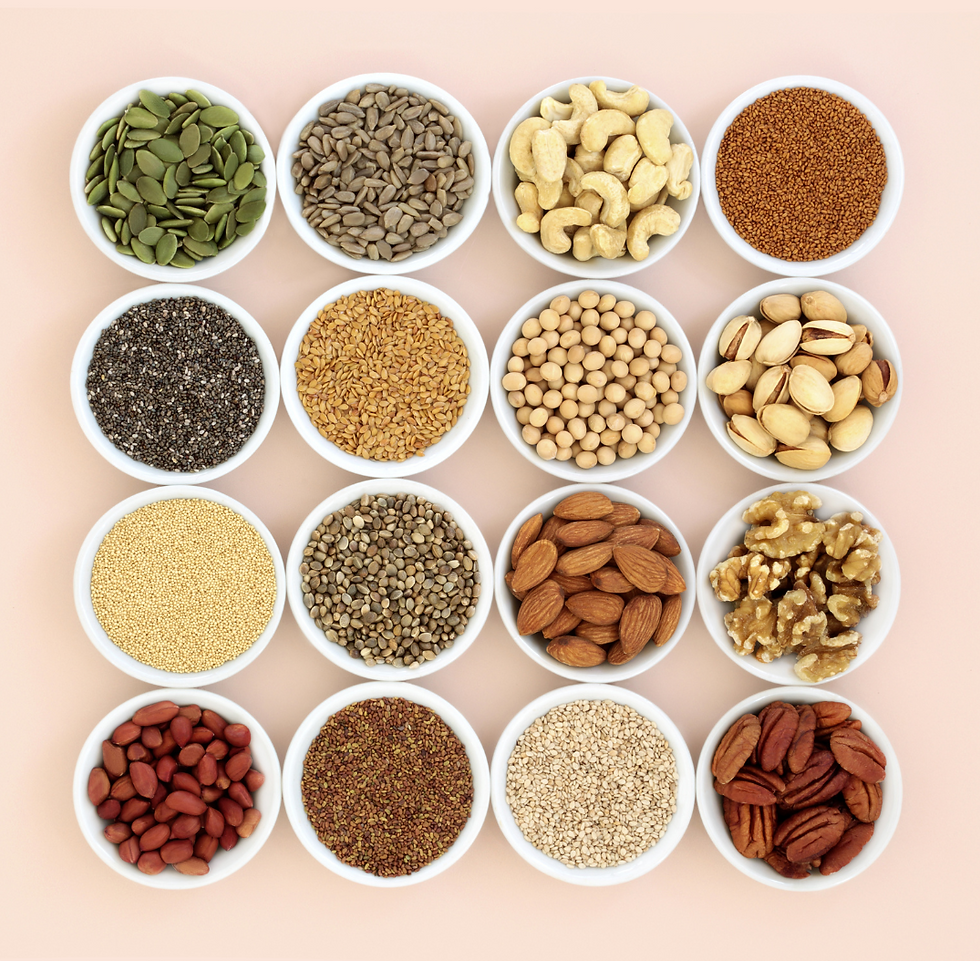
Legumes, beans, and pulses are not only affordable but also highly nutritious protein alternatives to consider adding to your diet.
Dried varieties can be found in large bags for a lower price, however, canned versions save on cooking and can be easily added to meals. Moreover, the high fibre content in beans, pulses and legumes helps to create a satisfying and filling meal, keeping you energised and satisfied for longer.
If you're not accustomed to incorporating plant-based protein into your meals, including them in dishes might feel a bit intimidating at first. This is especially true for children, who can be more sensitive to changes in textures and tastes of their favourite dishes.
A simple strategy to start including more of them in your diet without feeling overwhelmed is to replace half the portion of animal protein in your meal with plant-based protein, and gradually increase the ratio.
Value brands
Own-brand whole food products are typically priced lower than their branded counterparts, fortunately, they almost always taste the same. You can find a wide range of kitchen staples, such as whole rolled oats, dried whole grains and pasta, tinned and frozen vegetables & fruits, beans, legumes, cooking oils and sauces under own-brand labels.
It's important to be mindful when selecting own-brand products, as not all of them are necessarily healthier options. Some processed food products that are cheaper may contain more additives and bulking agents compared to their pricier counterparts.
Cooking methods
Meal planning
Meal planning goes a long way to helping to budget our weekly shop, but can ensure that you have healthy meals no matter how busy things get. In addition, meal planning can help to save time, and money and reduce food waste.
To start meal planning, set aside time each week to think about:
How many meals and snacks you need to prepare for the week
What ingredients you have in your cupboards, fridge and freezer
A list of go-to meals you enjoy or you wish to try
Next, depending on how many meals and snacks you need for the week, choose the recipes that you would like to prepare and compile the ingredients needed into one list. If you are on a budget, this stage could be essential in ensuring that you are getting all the ingredients needed for nutritious meals over the week. But also, it allows you to take advantage of sales and bulk buying. Once you’ve got your ingredients, its time to cook!
Batch cooking
The idea behind batch cooking is to make more servings and keep them in the freezer or fridge. This saves loads of time and energy costs since you're technically only cooking once. When you need a quick meal, you can just quickly warm it up over the hob or in the microwave. Curries, stews, chilis, sauces, casseroles and even soups freeze well and can be an easy fix, especially on weeknights.
Portioning It Out
Now you've got all that food, it's time to portion them out. Using portion-controlled containers can also make it easy to pack the right amounts of each food group, and labelling each container with the contents and date can help to keep track of freshness.

If you've batched cooked, portion out your desired number of servings into each container or freezer bag before popping them in your freezer. This can help to ensure that you have just the right portion ready to go when you need it.
Packing ahead of time
Now you’ve made them, it's time to bring them out! Let's be honest, mornings can be hectic, and having everything prepped and ready to grab can be a lifesaver. Packing your lunches and snacks ahead of time ensures that you're always prepared with healthy options no matter how busy your day gets.
Cost Saving Appliances
Microwave
The microwave is one of the most undervalued kitchen appliances, despite being owned by the majority of households. This appliance is the most efficient way to heat up and cook food, and can be a huge energy and time saver especially when cooking for 1 - 2 people.
While most may be familiar with using a microwave to heat leftovers, it also does a great job at:
Steaming vegetables and meat
Cooking potatoes
Baking
Air Fryer
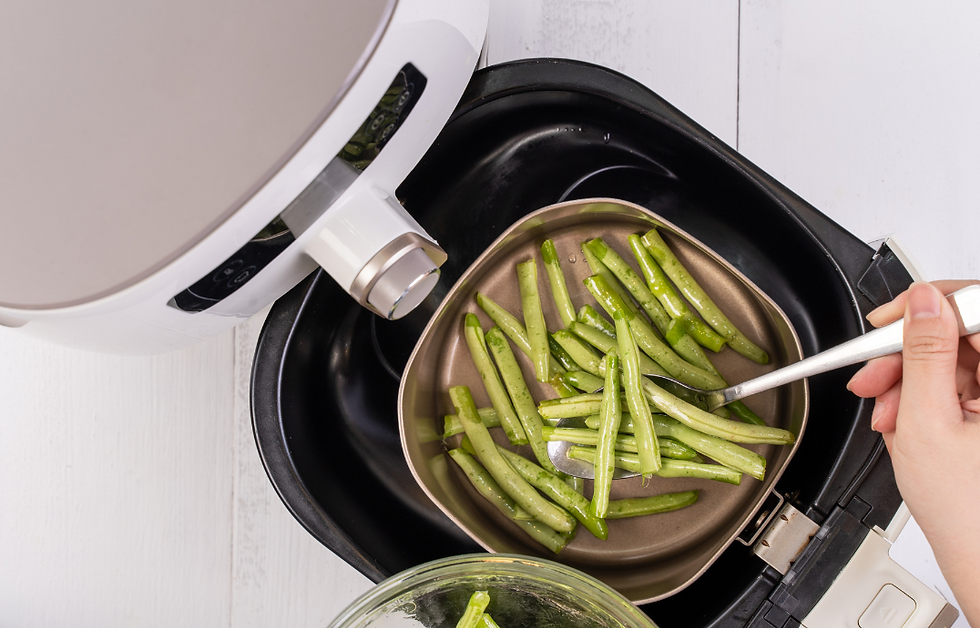
Air fryers are highly economical and convenient for cooking smaller quantities of food. The magic of an air fryer lies in air circulation and using little to no oil for cooking. When compared to an oven, the reduced need for pre-heating your air fryer for most dishes adds to these savings. While there may be some caveats with using the air fryer for sauce-based dishes and wet battered foods, this appliance does a great job at whipping up quick, delicious and fuss-free meals that are healthier!
Slow cooker
Slow cookers are among the kitchen’s most energy-efficient appliances. Although they take longer to cook food, they use less than a tenth of the energy of some electric ovens. An average-sized slow cooker uses just 1.3 kWh per meal cooked — which is just a little more energy than a traditional light bulb! Other peaks of slow cookers are that you can leave your food to cook slowly throughout the day while you’re at work or when you need to get on with other things.
Maximising what you have
You don’t necessarily need to buy a new appliance to ensure energy efficiency when cooking if the one you have works properly. While it can be worthwhile to examine your current appliances, and make sure they are working properly, as it can help lower fuel consumption and keep bills down
Conclusion
Eating healthy on a budget is entirely achievable with strategic planning and smart choices. Despite rising costs, focusing on cost-effective nutritious ingredients can help you maintain a healthy diet without breaking the bank. Similarly, planning your meals, batching cooking and utilising cost-saving appliances could help to further stretch your buck.
Ready to start eating healthy on a budget? Try one of these tips this weekend and share your progress in the comments below! Let’s make healthy eating accessible and sustainable for everyone!
Comments